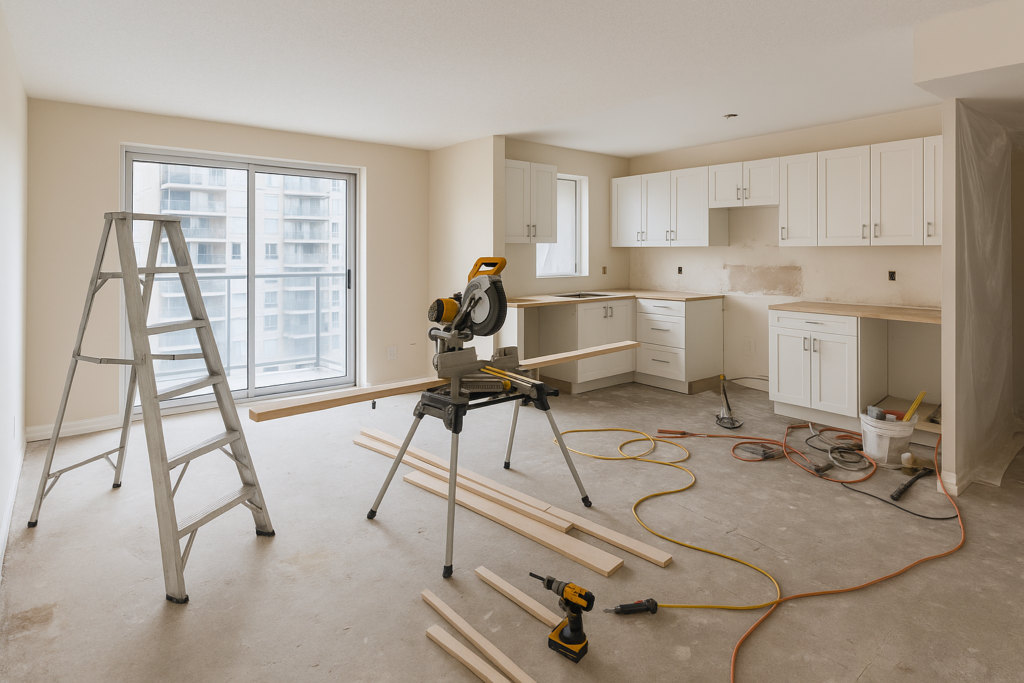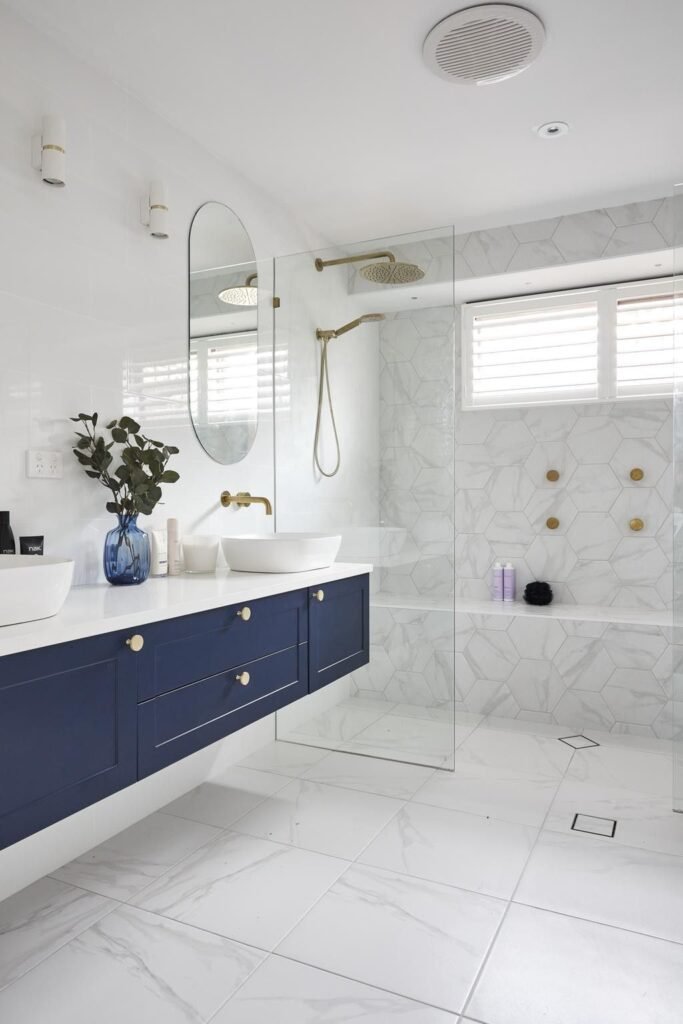
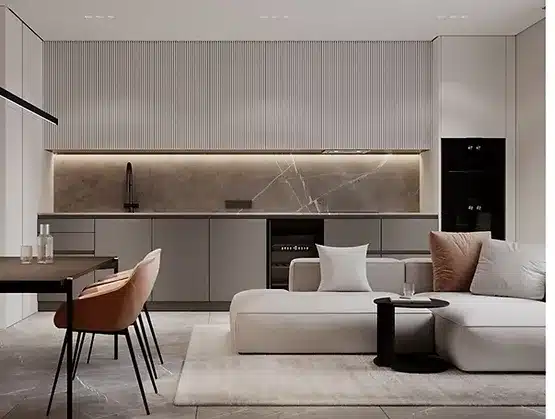
a living room with a couch a table and chairs

Toronto Home Renovation Expenses in 2024

Dive into our complete guide to uncover the ins and outs of renovating your house in Toronto. Discover key insights into budgeting, factors influencing costs, and how to make the most of your investment.

Welcome to the world of Home Renovation in Toronto

As the bustling cityscape evolves, more homeowners are embarking on the exciting journey of transforming their spaces. Whether you’re aiming to elevate functionality, enhance curb appeal, or increase market value, delving into the nuances of renovation costs is key. This guide is your compass through the diverse landscape of home renovation in Toronto, providing in-depth insights into the expenses involved and essential considerations for reshaping your living space.

The Surge in Home Renovations: A Trend Taking Over Toronto

Toronto’s housing scene is buzzing with a notable surge in home renovations, and it’s not without reason.

The ageing housing stock is prompting many homeowners to embark on updates, ensuring their homes align with modern living standards.

Moreover, the desire for modern amenities is on the rise, as homeowners seek contemporary features and efficient use of space.

Add to that the strategic move to enhance property values – renovations are increasingly viewed as a savvy way to boost a home’s resale appeal in a competitive market.

a person sitting at a desk working on a project

Understanding the Importance of Renovation Costs

Understanding the expenses tied to home improvements is crucial for a few key reasons:

  • Planning Wisely:

Knowing the Costs Helps Prioritize Projects According to Your Needs and Budget.

  • Smart Budgeting:

Knowing the costs accurately helps you create a practical and easy-to-handle renovation budget.

  • Getting More for Your Money:

If you’re fixing up to sell, it’s important to know how much the upgrades might boost your property’s value.

Estimating the Average Budget for Home Renovations

Renovating your home in Toronto? Costs can differ a lot, depending on things like how big the project is, the quality of materials, and labor expenses. Your specific needs and your property’s unique features also play a big role in shaping these costs.

  • Small Changes:

Easy upgrades like painting, adding new lights, or putting in hardwood floors can cost anywhere from a few thousand dollars to about $10,000.

  • Big Changes:

Larger projects like redoing kitchens, upgrading bathrooms, or adding new living space can range from $10,000 to over $100,000.

  • Square Foot Spending:

In Toronto, redoing spaces can cost around $100 to $200 per square foot, but this can change a lot depending on how big and complicated your renovation project is.

Major Influences on the Cost of Renovation

A few things affect how much it costs to renovate your home:

  • Size of the Project:

The cost goes up when your project is bigger and more complicated, especially if it includes things like changing a wall that supports the weight of your house.

  • Quality of Materials:

The price of materials can really affect how much you spend, whether you’re going for the basics or splurging on fancy finishes.

  • Labor Costs:

How tricky your project is and the skills needed, especially for specific jobs like electrical or plumbing work, can make a big difference in how much you pay for labour.

Building Permits and Regulations:

Getting the necessary permits and making sure everything follows local rules can make your renovation more expensive.

Average Costs Per Square Foot

When you’re thinking about renovating your home in Toronto, a common way to figure out costs is by looking at the price per square foot. This gives you a rough idea of how much everything might cost based on how big the area you’re renovating is. Let’s take a closer look at what that means:

  • Basic Renovations:

For simple changes, like painting or updating floors and lights, you might pay around $100 to $150 per square foot.

  • Mid-Range Renovations:

For bigger changes like redoing your kitchen or bathroom, you might pay between $150 and $200 per square foot.

  • High-End Renovations:

For top-of-the-line changes, like completely redoing everything or using fancy materials, you could end up paying over $200 per square foot, depending on how complicated and fancy you want to go.
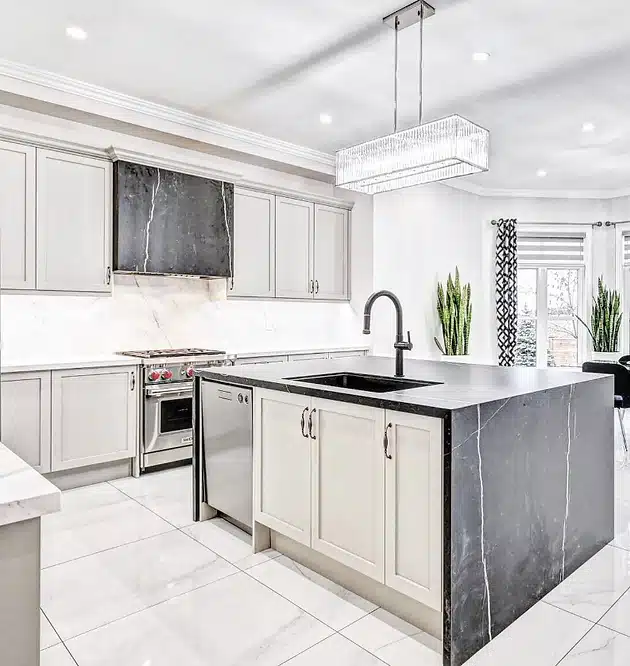
a kitchen with marble counter tops and white cabinets

Understanding Renovation Expenses: Breakdown by Project Type

Knowing how much different kinds of renovations cost can help Toronto homeowners make smart choices about improving their homes. Let’s break down the costs for typical projects, like kitchen and bathroom makeovers, as well as redoing the whole house.

Bathroom Renovation Costs:

Bathroom makeovers can be as simple as freshening up the look or as extensive as starting from scratch. They don’t just make your bathroom look better; they also make it work better.

  • Small Bathroom Changes:

Simple things like getting new fixtures or tiles can run you between $5,000 and $15,000.

  • Full Bathroom Makeover:

If you’re redoing everything, from plumbing to fancy fixtures and custom finishes, it could set you back between $15,000 to $30,000 or even more.

Kitchen Renovation Costs:

Many people in Toronto opt for kitchen renovations since they can really boost a home’s usefulness and value when it’s time to sell. The price tag for these projects can change a lot depending on how big your kitchen is, the quality of materials you pick, and what appliances you go for.

  • Simple Kitchen Updates:

If you’re just updating things like countertops or cabinets, you might spend between $10,000 to $25,000.

  • Complete Kitchen Transformation:

If you’re redoing everything, from appliances to custom cabinets and even changing the layout, it could cost you between $25,000 and $50,000, or maybe even more.

Basement Renovations:

Renovating basements in Toronto can turn an unused space in an older house into a useful living area, boosting the home’s value quite a bit.

  • Simple Basement Makeover:

Starting with basic finishing and waterproofing, costs can begin at $10,000.

  • Total Basement Transformation:

If you’re looking for a complete overhaul with top-notch finishes, you might be looking at costs ranging from $30,000 to $60,000 or even higher.

Whole House Renovation Costs:

Whole house renovations mean completely redoing the entire space, which can include making structural changes, updating electrical systems, and even changing the floor plan.

  • Mid-Range Whole House Makeover:

If you’re aiming for moderate updates throughout the house, expect costs between $100,000 to $200,000.

  • Complete Whole House Overhaul:

If you’re going for a total gut renovation or major structural changes, expenses could surpass $200,000, depending on the project’s size and complexity.

There are several factors can influence home renovation costs:

Here are some of the most significant:

  • Scope of the Project:

The size and complexity of the renovation project play a significant role in determining costs. Larger projects or those requiring extensive changes will typically incur higher expenses.

  • Material Quality:

The quality of materials used in the renovation, such as flooring, countertops, fixtures, and appliances, can greatly impact costs. High-quality materials often come with a higher price tag.

  • Labour Costs:

The cost of hiring professionals, such as contractors, carpenters, plumbers, and electricians, for the renovation work contributes significantly to the overall expense. Labour costs can vary depending on the expertise required and local market rates.

  • Permit and Regulatory Requirements:

Obtaining permits and ensuring compliance with building codes and regulations can add to the overall expense of the renovation project.

Final Reflections: Your Journey to Home Transformation

In the end, renovating your home is an exciting adventure toward creating the perfect space for you. Along the way, you’ll face different things that affect how much it costs, like how big your project is and the quality of materials you choose. By understanding these things and planning carefully, you can bring your dream home to life while sticking to your budget. With smart choices and help from experts, every step of your renovation journey gets you closer to the home you’ve always wanted.

Frequently Asked Questions on Home Renovation Cost in Toronto

What’s the cost of a complete house renovation in Toronto?

The expense of fully renovating a house in Toronto can vary widely, influenced by factors like the house’s size, the extent of renovations, and the quality of materials. Generally, homeowners might spend between $200 to $400 per square foot. For a house spanning 3,000 to 6,000 square feet, a complete renovation could range from $600,000 to $2,400,000. This estimate covers major changes such as kitchen upgrades, adding bathrooms, flooring replacement, and appliance updates. Keep in mind, that these are approximate figures, and actual costs can differ.

Are there any additional costs homeowners should consider during a renovation in Toronto?

There are several additional costs that homeowners should consider during a renovation in Toronto like Permit Fees, Design and Architectural Fees, Utility Costs, and Landscaping…

Considering these additional costs upfront can help homeowners budget more accurately and avoid financial surprises during the renovation process.
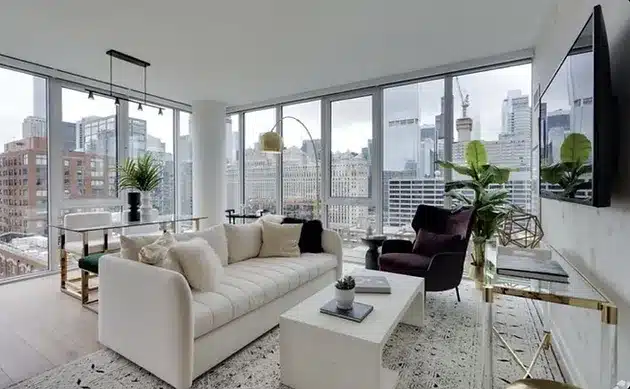
a living room filled with furniture and large windows

Condo Renovation Rules In Toronto

Embarking on a condo renovation rules in Toronto comes with its unique set of challenges and regulations. Whether you’re aiming for a simple upgrade or a complete overhaul, understanding and adhering to the city’s condo renovation rules is crucial for a smooth and compliant experience. At KAR Renovation, we’re dedicated to ensuring your renovation journey is as seamless as possible. Join us as we delve into expert tips and insights to navigate Toronto’s condo renovation landscape effectively.

Toronto’s Condo Renovation Guidelines

Are you thinking about sprucing up your condo in Toronto? Whether you want to give it a fresh look, make it more practical, or boost its value, it’s crucial to know the ins and outs of condo renovations in the city. Understanding these rules might seem overwhelming, but don’t worry KAR Renovation is here to help! In this guide, we’ll break down all you need to know about renovating your condo in Toronto, focusing on how to stay compliant with Toronto condo renovation rules.

Condominium Regulations & Requirement:

Insurance and Deposit:

You need to get insurance and might need to give some money upfront (a deposit) to cover any damages that might happen in shared areas.

Work Hours and Noise:

You have to stick to certain times for working and keep the noise down, usually following the rules in the Toronto Noise Bylaw.

Parking and Elevator Access:

Make sure to handle parking and using the elevator well, by booking ahead to reduce any hassle.

Material Transport and Disposal:

Obey the condo rules for safely and cleanly moving and getting rid of construction stuff and trash.

Scope Limitations:

Know the restrictions on renovations, especially concerning plumbing and electrical systems.

Insurance and Deposit Requirements:

Before starting any condo renovation in Toronto, both condo owners and the condo management need to think about insurance and deposits. These are very important to protect both the individual unit owner and the condo building from possible damage during renovations. Getting the right insurance and maybe paying a deposit are important steps that show how serious condo renovations are taken.

This insurance doesn’t just cover possible damage; it also gives peace of mind to condo owners, knowing they’re protected if something unexpected happens. Likewise, the deposit is like a safety net for the condo building, making sure there’s enough money to cover any costs if there’s damage or if renovation rules are broken.

Work Hours and Noise Restrictions:

A big part of renovating condos in Toronto is sticking to certain times for working and keeping noise levels low. These rules usually follow the Toronto Noise Bylaw, which sets limits on how much noise you can make to make sure you don’t bother other people living there. Condo boards are pretty strict about these rules, only allowing renovations during specific times, usually not on weekends or early mornings.

It’s important to understand and follow these noise limits to keep the living environment peaceful for everyone. If you’re planning renovations, it’s important to schedule work times early and talk to your contractors about it to make sure you’re following the rules. This planning helps avoid complaints about noise and any possible fines.

Parking and Elevator Access During Renovations:

Managing parking and using the elevator efficiently is really important when renovating condos. Many condos have rules about where contractors can park, and not booking parking ahead of time can cause extra costs and problems with getting things done. Similarly, using the service elevator for moving construction stuff needs planning and coordination.

Condo owners should book these things ahead of time to make sure the work goes smoothly. This planning doesn’t just save time; it also makes things easier for other people living there. Having a good spot nearby for loading and unloading construction stuff can make the renovation process much smoother and less annoying for everyone in the condo community.

Material Transport and Disposal:

Moving and getting rid of construction stuff and trash have specific rules in condos. These rules are there to keep the condo property safe and clean. Condo owners have to follow guidelines for moving and disposing of materials, like using certain waste bins or arranging for trash removal services.

Handling construction waste and materials isn’t just about logistics; it’s about keeping the condo living space nice. Whether it’s protecting paths used for moving stuff or using waste bins right, these rules help keep the condo clean and organized.

Limitations on Renovation Scope:

When you’re planning renovations for your condo in Toronto, it’s important to know what you can and can’t change. These limits usually have to do with the plumbing and electrical systems, which are shared with other units. For example, if you want to change sinks, toilets, or big parts of the plumbing, you have to think about it carefully and often get approval from the condo board.

Similarly, electrical work in a condo has to follow specific rules. Sometimes you need a permit to do construction there, and it has to be done by a licensed electrician. These rules are there to keep all the condo tenants safe and make sure the building’s electrical systems stay working smoothly.

Navigating Condo Renovations: What’s Changeable and What’s Restricted in Common Areas

In condos, there are places everyone owns together, like hallways, lobbies, and shared spaces. These areas make condo living better for everyone. Unlike your own condo unit, which you own and take care of, these shared places are looked after by the condo board or corporation.

If you want to change these shared areas, you can’t just do it on your own. You need permission from the condo board or corporation. They make sure any changes fit with what everyone wants for the building and follow the rules about how things look and work.

It’s important for condo owners to understand the difference between their own space and the shared areas. While you can decide what to do with your condo unit, changing shared spaces needs input from everyone.

Before starting any renovations in these shared areas, condo owners need to talk to the condo board or corporation. You have to share detailed plans and get their approval first. This helps make sure your changes will make the shared spaces nicer for everyone.

Also, the condo board might have rules and steps to follow for renovations. These rules might include things like how things should look when work can be done, and who can do it. Following these rules helps make sure renovations go smoothly and don’t bother other residents.

a hard hat sitting on top of a table next to a ruler

In the end, talking openly and working together with the condo board or corporation is really important for making shared area renovations successful. By cooperating, condo owners can make shared spaces nicer while still keeping the condo community happy and harmonious.

The Power of Adaptability: Why Flexibility and Careful Planning Matter

Being flexible and planning well are super important when dealing with condo renovation rules in Toronto. Condo owners need to be ready to change their renovation plans to follow the condo rules and what their condo board says. This could mean changing the renovation or when it happens to fit with what the condo board needs.

Good planning is key to making sure every part of the renovation, like getting a permit and talking to tenants who might be affected, follows the condo’s rules. This helps avoid fights with other tenants and the condo board and stops things from getting delayed or costing more than expected.

Frequently Asked Questions About Toronto Condo Renovation Rules 

1. Am I Allowed to Renovate Any Part of My Condo?

Yes, you can renovate your condo, but you need to follow the rules set by the condo corporation and get their approval first.

2. it necessary to let the condo board know about my renovation plans?

Yes, it’s crucial to have your renovation proposal approved by the condo board.

3. Are there limitations on when I can work on my renovations?

Yes, renovations must follow specific work hours and noise restrictions to keep disruptions to a minimum.

4. What’s the best way to handle waste disposal during renovations?

Follow the condo rules by using designated waste bins or arranging for private waste removal services.

condo renovation

KAR Renovation: Your Trusted Partner for Condo Renovations

At karreno.ca, we understand the ins and outs of Toronto condo renovation rules. Our team knows how to navigate the complexities involved, ensuring that every renovation we do follows the condo corporation’s rules.

We specialize in all kinds of condo renovations, from updating kitchens and bathrooms to handling complete unit transformations. Our approach involves careful planning and working closely with the condo board to make sure everything gets approved and fits within the building’s guidelines.

When you choose KAR Renovation, you can relax knowing we’ll take care of everything, from submitting proposals to adding the finishing touches. Our dedication to excellence and following condo renovation rules means you can enjoy a stress-free renovation experience. We’re proud to deliver top-notch work that goes beyond your expectations while sticking to condo regulations.

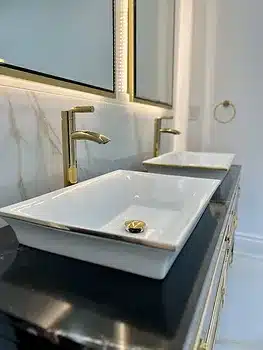
A modern bathroom features two rectangular white sinks with gold faucets on a black countertop, and a large mirror with gold accents.

Mistakes To Avoid During Bathroom Renovation

Renovating a bathroom can be an exciting yet daunting task. It’s a space that sees a lot of use and can significantly impact the overall value and appeal of your home. However, without careful planning and consideration, it’s easy to fall into common pitfalls that can lead to costly mistakes and unsatisfactory results. In this blog, we’ll explore some of the most critical mistakes to avoid during a bathroom renovation, helping you achieve a successful and satisfying outcome.

Avoid These 10 Common Bathroom Renovation Mistakes to Ensure a Smooth and Successful Upgrade

Low Ventilation

Get yourself a fan that comes with a timer switch. Make sure it keeps running for at least 15 minutes after you finish your shower. This is crucial because it reduces moisture in the air, preventing your ceiling paint from getting ruined and stopping mold from growing. If your bathroom doesn’t have a window, having this kind of fan is a must according to building codes. Even if there’s a window, having a good-quality vent is still smart.

Don’t go for a cheap fan priced under $75; they won’t do much. Aim to spend $250 or more for a reliable one. Also, consider the size of your bathroom – the bigger it is, the more air exchange it needs. Look for a fan with over 120 CFM to really make a noticeable difference and keep your newly renovated space in top condition.

Using the wrong materials

Considering the bathroom’s high moisture levels, it’s crucial to select waterproof materials. Non-waterproof ones can swell, rot, or discolour over time and lead to mold issues. If opting for porous stone or hardwood, ensure proper sealing to prevent moisture absorption. Even when working with a professional, always verify that all materials, including wall paint, fixtures, and flooring, are waterproof.

Dull Lighting

Lighting a small bathroom can be a bit tricky. You don’t want it too bright or too dark. Opt for lighting that suits your daily grooming needs. Consider installing a pot light in the shower for effective illumination without taking up much space. Wall sconces on either side of the mirror reduce shadows on your face. Plan the placement of bathroom lights carefully for optimal results.

Mismatched Fixtures

During a home renovation, it’s typical for homeowners to look up what’s trending for the specific space they want to update. While this is fine in some cases, it’s wise to steer clear of trendy fixtures in the bathroom. Opting for classic options is the way to go because bathroom renovations aren’t frequent. Installing trendy vanities might make your bathroom look outdated within a couple of years. To avoid frequent renovations, stick to simple or classic fixtures.

If you want to stay current with trends, consider decorating your bathroom with trendy accessories instead of installing permanent fixtures. There are plenty of trendy items available to give your bathroom a modern look without the need for major renovations.

Inadequate Spacing (Layout)

Some older bathrooms suffer from improper spacing between the wall and toilet flange. A standard toilet needs a full 12 inches of space from the back wall to the start of the toilet flange or drain. If the spacing is less than 12 inches, a standard toilet won’t fit properly without cutting into the drywall, which is not recommended. Measure your plumbing clearances right after demolition, and if necessary, have a plumber adjust them to the correct position. If moving the flange isn’t an option, there are limited choices for speciality toilets designed for a 10-inch distance from the wall to the flange (try American Standard), but be prepared to pay a higher price for your toilet.

Skipping the Theme

Renovating your bathroom can feel overwhelming with so many choices available, from stand-up showers to copper tubs, pedestal sinks, and floating vanities. To avoid feeling overwhelmed, it’s helpful to commit to a theme. Start by exploring a variety of options, then focus on selecting a single theme that resonates with you the most.

Ignoring Practicality

In-home design, it’s tempting to focus solely on aesthetics. However, ignoring practicality can lead to problems. Take the bathroom, for example. A fancy pedestal sink may look nice, but without storage, it leads to clutter. Similarly, in the kitchen, trendy but delicate countertops or inefficient layouts can hinder daily life.

To strike a balance, prioritize features that enhance usability while still looking good. Think multifunctional furniture, smart storage, and durable materials. By embracing practicality alongside style, you create spaces that are both beautiful and functional.

Failing to Envision the Final Design

Technology has revolutionized the way we approach bathroom renovations, offering a plethora of digital tools to aid in the planning process. Failing to leverage these resources would indeed be a missed opportunity.

these tools enable collaboration and communication with designers and contractors, facilitating seamless coordination and ensuring everyone involved is on the same page. With clear visualizations and comprehensive plans in hand, you can proceed with your bathroom renovation project with clarity, confidence, and peace of mind.

Rushing the process 

Renovating a bathroom isn’t quick—it typically takes 4 to 6 weeks, maybe longer based on your preferences. While it might disrupt your routine, rushing your contractor isn’t the solution. Give them the time they need. To avoid delays, discuss a timeline upfront with your contractor before they begin.

Unreasonable Budgeting

Being honest about your budget is crucial. Stick to what you can afford. Overspending leads to cutting corners and dissatisfaction with the final results. To be safe, budget an extra 10% to 20% for unexpected expenses. Since the bathroom is a space you use often, ensure it’s welcoming and functional. You don’t want to keep updating it frequently. Hiring the right bathroom professional and avoiding these mistakes during renovation ensures everything is done correctly the first time.

bathroom remodeling in mississauga

Final Thoughts on Bathroom Renovation Mistakes to Avoid

Renovating your bathroom is a major investment in your home’s comfort, functionality, and value. By being aware of the bathroom renovation mistakes to avoid, you can save time, money, and unnecessary stress. Careful planning, choosing the right materials, working with trusted professionals, and focusing on both style and practicality will help you create a bathroom that you’ll enjoy for years to come. Keep these tips in mind to ensure your renovation is a smooth and rewarding experience.


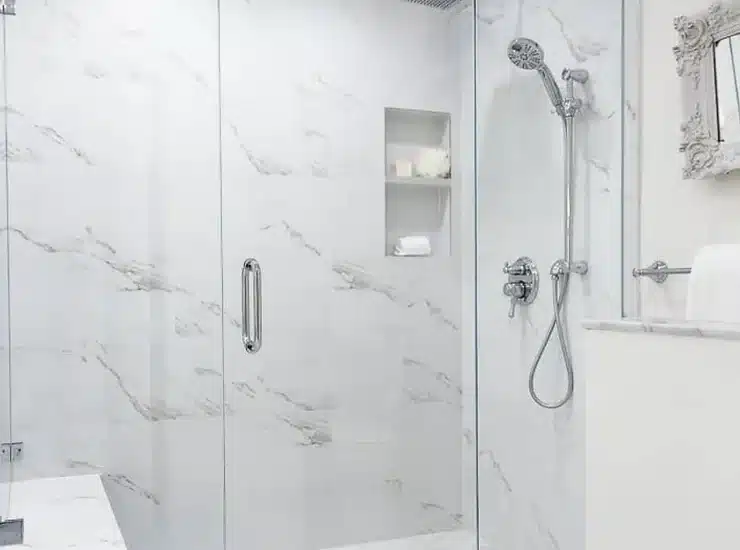
A modern, spacious bathroom featuring a glass-enclosed shower with a marble interior, a mounted showerhead, built-in shelving, and a bench. The area is well-lit with recessed lighting.

Signs You’re Due for a Bathroom Makeover

What are the Signs you Need a Bathroom Makeover?

Fixing up your bathroom might sound like a big deal, and you might have been putting it off. The thought of lots of work and the cost of major changes can be a bit scary. But here’s the good news: you don’t have to do everything at once. You can start by focusing on the parts of your bathroom that really need a change.

To make it easier, figure out what needs fixing first. This way, you can plan your budget better and spend money on the most important things first. All you need to do is pay attention to the signs that show which areas need your attention. Let’s check out these signs to help you decide if it’s time for a bathroom upgrade.

Leakage

A bathroom is all about water, but it’s only useful when it stays where it should. If you notice any leaks, no matter how small, it’s time to think about renovating your bathroom. Uncontrolled water, especially in the wrong places, can cause more problems over time. Here are some common signs of leaks:

1. Around the Toilet:

If you see water around the toilet bowl all the time, it’s a clear sign of a problem. Don’t hesitate—call in professionals.

2. Faucet Drips:

Water dripping from faucets, even after tightening, could indicate issues with your pipes. Persistent leaks should not be ignored.

3. Under the Bathroom Sink:

Water leaking under the bathroom sink is not normal. It’s a sign that something is wrong, and it needs attention.

While getting professional plumbers to check the issue is a good start, sometimes it might not provide a long-term fix. Some plumbers only address the immediate problem, leading to recurring leaks. In such cases, a bathroom renovation could be the best and permanent solution for you.

Mold Growth

Despite the typical presence of water in bathrooms, it should not provide an ideal environment for mold growth. When you spot mold in your bathroom, it’s a clear signal that changes are needed. Examine the edges of your shower and bathtub for any staining. Also, inspect the ceiling and walls for signs of mold.

Mold often lurks in hidden spots, such as behind the walls. By the time it becomes visible, it may have already spread extensively. If not addressed promptly, it can continue to proliferate in other areas. Attempting to remove the mold temporarily may not be practical, as it often returns. In such cases, opting for a bathroom renovation is a more effective and lasting solution.

Peeling Paint

Peeling paint on bathroom surfaces is a clear indicator of potential water damage. If you invested in high-quality paint and enlisted a trustworthy contractor for the job, witnessing peeling should raise concerns. Conversely, if the paint used was of lower quality, the moisture generated in the bathroom could accelerate peeling shortly after application. Take a moment to assess the situation and identify any plausible reasons for the paint issues. Should you find no apparent cause, it is advisable to contact professional contractors promptly and initiate plans for a renovation.

Damaged floors

If your bathroom floors are damaged from too much water or just regular use, they can make your bathroom look old and not so nice. It’s best to figure out what’s causing the damage like water making the floorboards rot or grow mold. You can see water damage if the floorboards change colour or get stained. Instead of spending a lot to fix them, it’s a good idea to replace both the damaged floors and walls if possible. Usually, when the floors are damaged, the walls are affected too. Changing the whole area with better materials is a better choice than just fixing bits and pieces.

Limited Storage Space

As our lives become increasingly cluttered, the need for adequate storage in the bathroom is more crucial than ever. If you find yourself battling against clutter and struggling to find a place for all your essentials, consider a bathroom renovation to incorporate smart storage solutions. Options like built-in cabinets, shelves, and vanity units can help maximize space and keep your bathroom organized.

Poor Lighting

If you find yourself stuck with poor lighting in your bathroom, it’s time to brighten things up and revitalize the space. Traditionally, contractors might have settled for standard lighting fixtures, but the game has changed. Today, there’s a plethora of bigger and better lighting options that can breathe new life into your bathroom.

Gone are the days of settling for mundane lighting setups. Modern fixtures offer versatility, allowing you to customize your bathroom’s ambience according to your preferences. Consider having lights installed in mirrors for a contemporary touch, or above the shower to enhance functionality. Explore options like heat lights for added comfort or smart lights that grant you control over brightness and colour. These choices not only elevate the aesthetics of your bathroom but also contribute to the overall value of your home.

In conclusion

Recognizing the signs that it’s time to renovate your bathroom is a crucial step toward enhancing the functionality, aesthetics, and overall well-being of your home. From outdated fixtures and water damage to limited storage and inefficient layouts, these indicators serve as a call to action, prompting you to breathe new life into this essential space.

Whether you’re seeking improved functionality, a fresh aesthetic, or a safer and more comfortable environment, a bathroom renovation offers the opportunity to tailor this space to your needs. Collaborate with professionals, explore design possibilities, and embark on a journey to create a bathroom that not only meets but exceeds your expectations, leaving you with a revitalized haven within your home.

Stylish living room interior featuring a white sofa adorned with vibrant multi-colored throw pillows. A large abstract art piece with bold colors, including red, pink, and teal, hangs above the sofa. The room is decorated with tall green plants, elegant curtains, and a colorful area rug. A wooden coffee table is set with books and decorative items, completing the contemporary and lively design.

Interior Design Trends 2024

Exploring the Hottest Interior Design Trends of 2024

In the ever-evolving world of interior design, staying ahead of the curve is essential to create spaces that are both stylish and functional. As we venture further into 2024, let’s take a deep dive into some of the most popular styles shaping the interior design landscape this year.

Maximalism

Stylish living room interior featuring a white sofa adorned with vibrant multi-colored throw pillows. A large abstract art piece with bold colors, including red, pink, and teal, hangs above the sofa. The room is decorated with tall green plants, elegant curtains, and a colorful area rug. A wooden coffee table is set with books and decorative items, completing the contemporary and lively design.
Style Name Maximalism
Peculiarities The abundance of decorative elements, a mixture of several bright colors.
Colour spectrum Yellow, blue, purple, pink, red, green, etc.
What rooms are used most often Living room, corridor.

Maximalism is making a comeback in 2024. Bold colours, dramatic patterns, and statement-making décor pieces take centre stage, creating visually striking interiors that exude personality and confidence. It’s all about embracing colour, texture, and personality to create spaces that make a statement and spark joy.

Minimalism

Minimalist living room with a neutral color palette featuring a modern beige sofa and a textured armchair. The room includes a sleek wooden sideboard, a marble coffee table with decorative vases, and a large abstract art piece on the wall. The space is complemented by a unique pendant light, a plush area rug, and soft ambient lighting, creating a serene and sophisticated atmosphere.
Style Name Minimalism
Peculiarities The absence of useless items, the functional use of the area of ​​​​the room.
Colour spectrum Light colours (black, brown, white).
What rooms are used most often Living room, corridor, nursery, kitchen, bathroom

Minimalism remains a dominant trend in interior design but with a twist in 2024. Instead of stark, monochromatic spaces, designers are infusing minimalist interiors with warmth and character through subtle textures, pops of colour, and carefully curated décor pieces. The focus is on quality over quantity, with an emphasis on functionality and simplicity.

Eco style

Natural materials in decoration, furniture and decor elements. Light open space.
Style Name Eco style
Peculiarities Natural materials in decoration, furniture and decor elements. Light open space.
Colour spectrum Light colours like white, beige, sand, green, blue, grey.
What rooms are used most often All rooms of the house.

With a growing awareness of environmental issues, sustainable and eco-friendly design practices are more important than ever. In 2024, there’s a focus on using recycled materials, energy-efficient fixtures, and eco-conscious furniture to create environmentally responsible interiors. From upcycled décor to zero-waste design solutions, sustainability is a key consideration in every aspect of the design process.

High Tech

The abundance of technology, mirror and glossy surfaces.
Style Name High tech
Peculiarities The abundance of technology, mirrors and glossy surfaces.

Colour spectrum Cold light shades with contrasting black or red.
What rooms are used most often Kitchen, corridor, office.

As technology continues to infiltrate every aspect of our lives, it’s no surprise that tech-integrated interiors are on the rise. Smart home devices, integrated sound systems, and automated lighting are seamlessly incorporated into the design, enhancing convenience and efficiency while maintaining a sleek and modern aesthetic.

Functionalism

Not many people know about this interior style because it’s new to the scene. Before, it was part of minimalism, where everything had to look good and be useful.

Nowadays, as minimalism becomes more welcoming, the focus on practicality and cool colours has shifted to functionalism. This style usually has:

  • Lots of open space
  • Not too much decoration
  • Simple shapes, textures, and lines
  • Mostly white rooms
  • Furniture that can change or is built into the room.

2024 Interior Design Trends

Every new year brings fresh decorating ideas. And this year is no exception!

Get ready for clean lines, natural shapes, a fresh color mix, and lots of natural materials. Plus, exciting new decorating styles are on the rise.

But don’t worry, old favorites aren’t going away. Expect to see raw, authentic vibes and a blast from the past with seventies-style making a big comeback.

Get excited to see what’s in store for your home with the top interior design trends of 2024. Don’t wait, check them out now!

1. Back to Basics: More refined and minimalist interiors

In 2024, interior design is all about simplicity and refinement. Spaces are lighter, creating a calm and peaceful atmosphere.

Gone are the days of clutter and excessive decorations. Instead, we’re focusing on clean lines, simple shapes, and functional furniture to optimize space and storage.

Think sleek and practical furniture with natural materials for a timeless appeal. Styles range from contemporary to Scandinavian with a hint of vintage for warmth.

Custom-made furniture is trending as it allows for maximizing space, whether it’s tucked under stairs or in unused corners.

2. Bringing Nature Inside: Natural Materials

After spending so much time indoors, many of us crave a more natural feel at home.

In 2024, interior design trends lean towards using raw, authentic materials like wood, steel, concrete, terracotta, and stone. These materials add character and charm to your space.

Try concrete floors, brick walls, travertine furniture, and steel accents for a rustic vibe. Wood remains a favourite, bringing warmth to tables, chairs, and bookcases.

For softer touches, consider wicker or bamboo, both trendy choices for 2024.

Cozy Up with Soft Textures

In 2024, comfort is key. Incorporating cozy materials into your interior is a must.

Think plush wool for armchairs, sofas, and rugs. It adds softness, texture, and warmth to your furniture and space.

Opt for white, ecru, or cream wool to enhance the natural ambience of your home.

3. Revitalize Your Interiors with Nature-Inspired Colors

Get ready for a natural makeover in 2024, right down to the colours!

The hottest hues this year mimic nature’s palette, including earthy tones like beige, terracotta, and shades of blue and sage green.

These vibrant colours are balanced with softer shades like beige, grey, and pastels for a calming effect.

Whether on walls or decorative items, these colours bring a sense of escape to every room in your home.

In 2024, it’s all about sleek yet colourful interiors!

4. Fresh Look for Furniture: Organic Shapes

In 2024, we’re embracing a more natural vibe in furniture design. Inspired by art and nature, we’re opting for minimalist pieces with soft, flowing lines.

Say goodbye to sharp angles and hello to gentle curves! These organic shapes create a sense of calm and coziness in your space.

To connect with the outdoors, we’re choosing natural colours and materials for our décor.

Comfort in Curves

From mirrors to sofas, everything’s getting curvy! Our décor is becoming more inviting with rounded shapes that prioritize comfort and safety.

Think pebble-shaped ottomans, hanging chairs, and circular coffee tables. And the star of the show? The plush, rounded armchair with a cozy sausage-shaped backrest. It’s like a warm hug for your living room!

5. Sustainable and committed decoration

In 2024, decorating your home is all about sustainability and making a positive impact.

Upcycling, where you give old items new life instead of throwing them away, is a big part of the trend. Think refurbished furniture from flea markets, giving your space a unique industrial charm.

Choosing eco-friendly textiles is also key. Opt for natural materials like linen or hemp for your bedding, curtains, and towels, whenever possible, and try to support local production.

These choices not only respect the environment but also fit perfectly with the fresh interior design trends of 2024.

What material for 2024?

Interior design trends for 2024 featuring travertine, dark wood, and brass elements. Travertine stone is used in tiling, side tables, lamps, vases, and sculptures, blending well with both modern and traditional styles. Dark wood like ebony, teak, walnut, acacia, and rosewood brings depth and personality to spaces, especially when paired with neutral colors like beige, grey, or white. Brass is incorporated into decorative accessories, furniture, and lighting to create a cozy, inviting ambiance, complementing rich, dark colors like black, navy blue, burgundy, and brown

Travertine

Travertine, a natural stone commonly used in tiling, is gaining popularity as a substitute for marble in our homes. Now, you can spot travertine not only on floors but also on side tables and various decorative pieces like lamps, vases, and sculptures. What makes it stand out is its versatility—it complements both modern and traditional design styles effortlessly.

 Dark Wood

Light wood has had its moment in recent years, particularly in Scandinavian-inspired decor. But in 2024, it’s time for a change! Dark wood is taking centre stage. Opt for rich tones like ebony, teak, walnut, acacia, or rosewood to add depth and personality to your space. Pair dark wood with neutral colours like beige, grey, or white for a sophisticated look.

Brass

For a cozy and inviting ambience, incorporate brass into your interior design. Whether it’s in decorative accessories, furniture, or lighting, brass adds a touch of warmth and elegance. Pair it with rich, dark colours like black, navy blue, burgundy, or brown for a bold and enveloping décor scheme.